The archaeology faculty and staff of College of DuPage invite you to join our excavations
at this important site in the hills of east central Czech Republic. Located between
the historic cities of Brno and Olomouc, Seloutky is an early Celtic burial site with
unique stone tombs.
Where: Olomouc, Czech Republic, Europe, about 2.5 hours north of Vienna and east of Prague
Cost Includes
Five weeks in Europe
Transportation with the field school in the Czech Republic
Admission to museums and exhibitions with the field school
Access to required equipment and miscellaneous access fees to power grids
Because of the economic situation in Europe and student feedback, more free time will
be provided in place of field trips, although some trips will still take place. Field
trips could include Asparn (Austria), Dolni Vestonice, Mikulcice, Modra and Sedlec
(Czech Republic), Trenčín and/or Nitra and Cachtice, (Slovak Republic),* although students are also free to travel on their own or in small groups on the
weekends.
*These are day trips. Transportation and admissions to destinations are included, although
students are responsible for their own food and any additional fees associated with
individual side trips or activities.
Tuition & Accreditation
Tuition is the same whether in or out of state. College of DuPage is fully accredited
and we have transferred these courses to numerous state and private institutions.
Up to nine credit hours of study will be available, pending final approval of the
field logistics and permits. These will be a required course in field archaeology
and a laboratory in field archaeology. Students must enroll in the field and lab archaeology
components.
Bioarchaeology
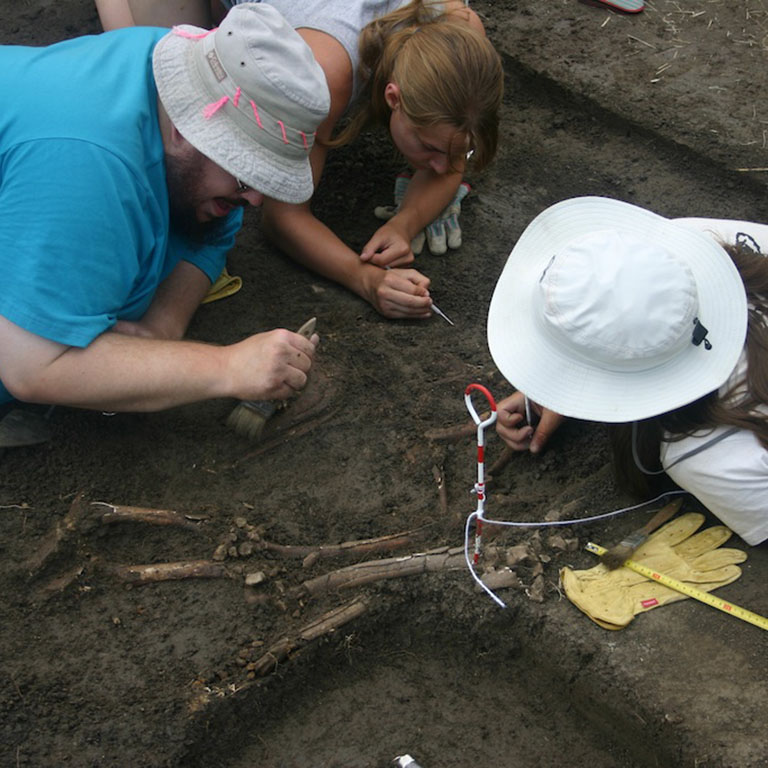
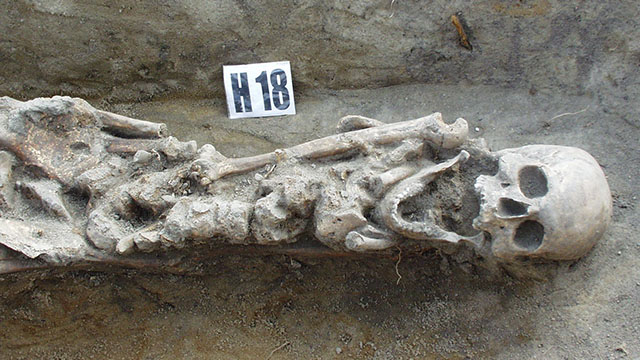
Interested students can also take a course in bioarchaeology. We have access to numerous
archaeologically excavated sets of human remains from the site. Dr. Michael Dietz
will conduct a course in the fundamentals of bioarchaeology, based on the analysis
of human skeletal remains.
Travel Information
Airfare or other means of transport to and from the site is not included in the cost.
Students will meet at our excavation location near Olomouc, Czech Republic (easily
accessible by rail and bus) by the start date and will complete their trip there at
the end of the program. Students will likely find it much more affordable to travel
on their own using student discount rates or other personal discounts. However, once
the project director has established his airfare, this will be made public and students
are welcome to book travel on the same routes and carriers as the project staff. Contact
Dr. Dietz for the specific details.
All instruction is carried out in English by experienced archaeologists led by Dr.
John Staeck, a veteran of more than 25 field seasons, and Dr. Michael Dietz, an experienced
bioarchaeologist with field work both in the Czech Republic and Peru. There is a maximum
of a 8:1 student to doctoral level faculty and we strive to maintain an overall ratio
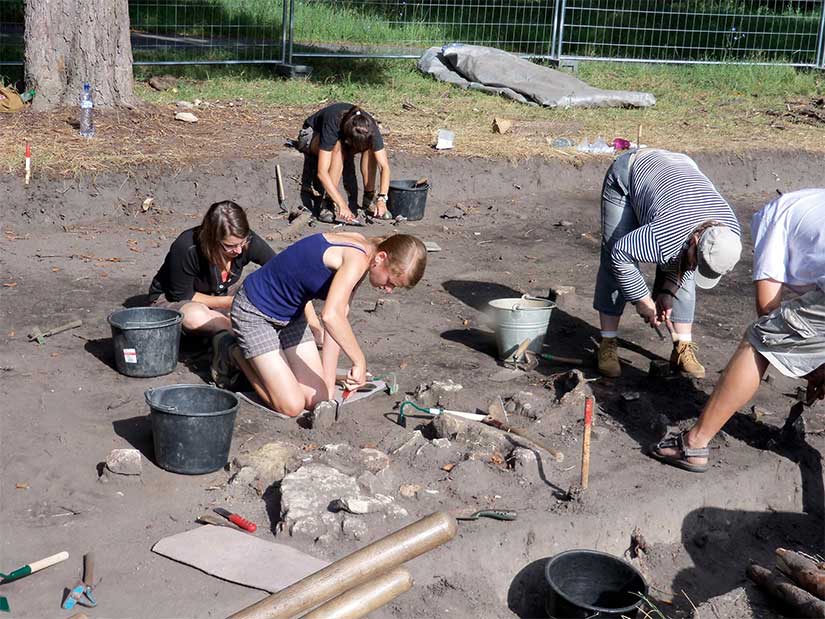
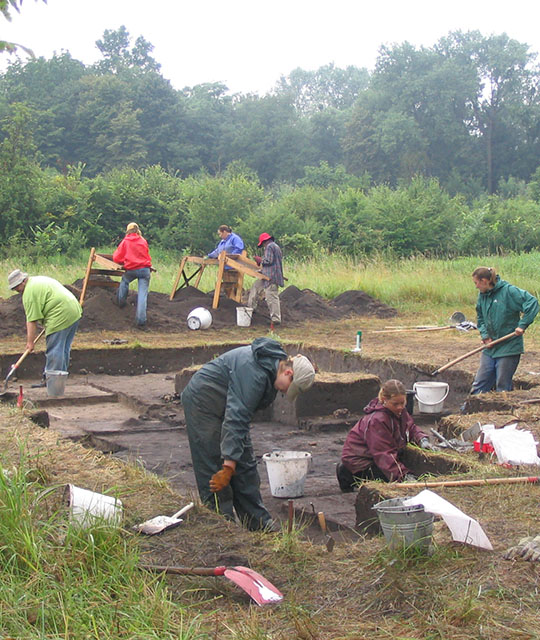
of no more than 6:1 student to faculty. We work side-by-side with our students and
emphasize excavations as learning experiences rather than as a means to conduct research
cheaply. Our goals center on training students in the fundamentals of archaeological
excavation and field laboratory procedures as well as on learning about the past (and
present) in general.
Students will eat breakfast in the dormitory and lunch in the field. Breakfasts will
be typical Czech field breakfasts, including yogurts, granola, vegetables, cheese,
bread, and meat. The typical field lunch will include sandwiches, fresh fruits and
vegetables, nuts, pretzels/chips. Students will have access to a refrigerator in
or near their dormitory should they wish to have their own food or drinks.
For dinner, we will eat at a local restaurant in Olomouc. Students will choose between
2 soups and 5-7 main entrees. Entrees are typically hearty, featuring chicken or
pork. Czech food is typically high protein, high carbohydrate, and high fiber. Special
dietary needs can be met, such as vegetarians and those with gluten intolerance, as
the restaurant offers a variety of meal options, and can modify many meals.
Some weekend meals may also be furnished, though students typically travel widely
and may not be present on-site for most of the weekend. The dormitory has basic kitchen
facilities for students that wish to use them. Amenities include hot plates, microwaves,
and toaster ovens.
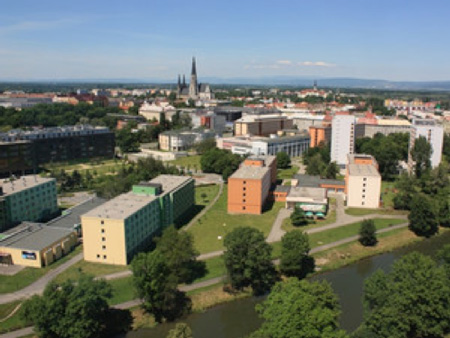
Students and staff will be staying in the dormitories at Palackŷ University in Olomouc.
Located along one of the channels of the Morava River, the university is well integrated
into the business and social life of the city, only 10 minutes walk from the historic
center of Olomouc. The proximity to local businesses and restaurants affords students
easy access to goods, services, and relaxation during time off from the excavations
and classes.
The dormitories are similar to college dormitories found in the United States. Each
room sleeps two to three people, with desk and shelf space for each person. A common
room is shared by two dormitory rooms, with additional closet space, a shared refrigerator,
and a shared bathroom and shower. Free WIFI is available throughout the dormitory
and throughout most, if not all, of the campus.
College of DuPage accepts enrollment from students across the globe. The Czech-American
Archaeological Field School has had participants in various capacities from the United
States, Canada, Germany, Hungary, and the Czech Republic. In a typical year approximately
half of the program's participants come from the College of DuPage while others come
from diverse and often distinguished backgrounds. The institutions from which participants
have come include:
College of DuPage
University of Chicago
Cornell University
Bowdoin College
University of Washington
Washington State University
University of Missouri-Columbia
Boston University
Lakehead University
North Central College
William and Mary University
Benedictine University
Trent University
Denison University
University of Illinois - Champagne-Urbana
St. Mary's (Canada)
University of Nevada-Las Vegas
University of California-Santa Barbara
Iowa State University
James Madison University
More Information
About the Research Site
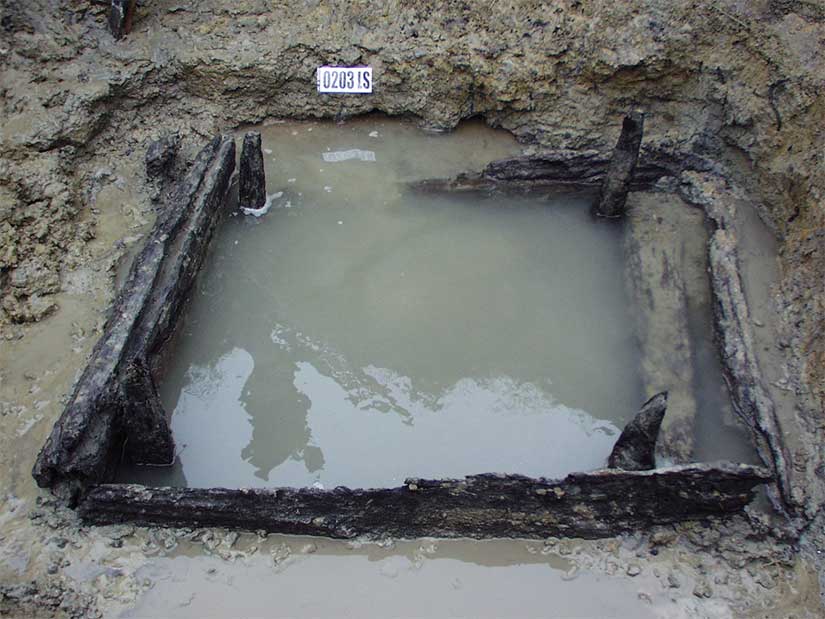
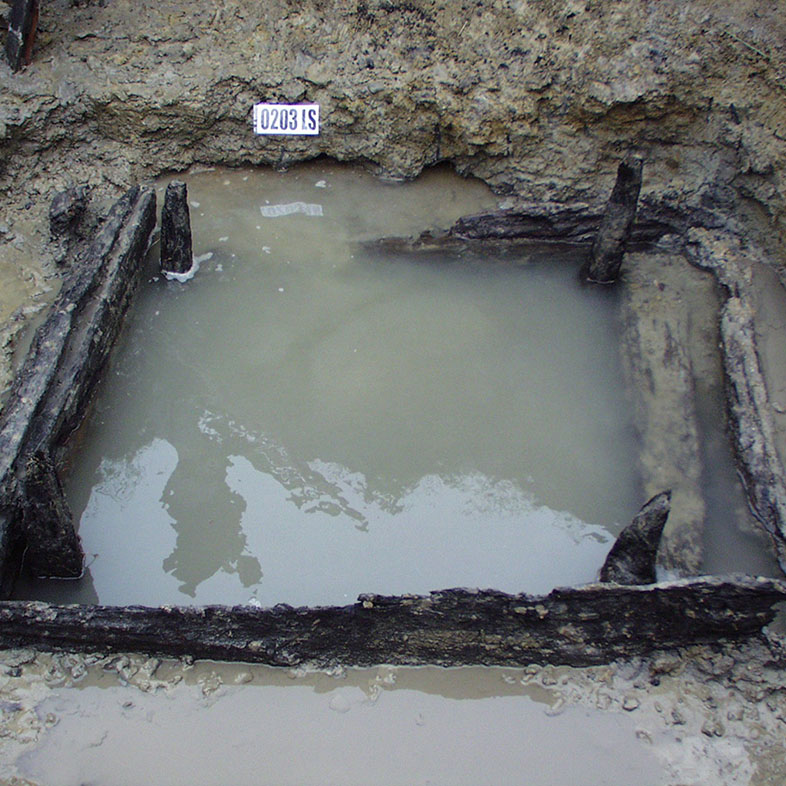
As this is a recently discovered site, our excavations this summer will continue to
investigate the structure, context, and meaning of the site as well as excavating
at least two of the complex box graves, each containing the cremated remains of up
to 25 individuals in funerary vessels
Teaching Methods
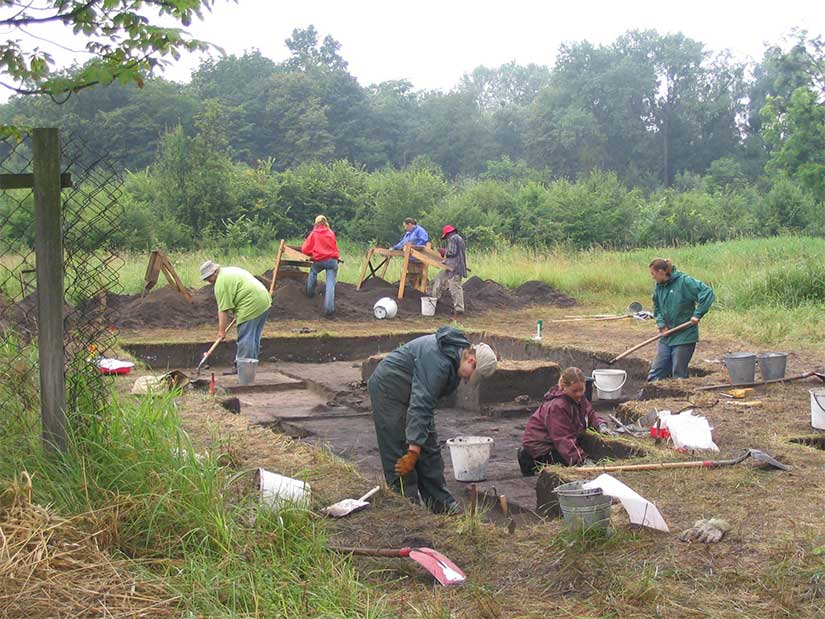
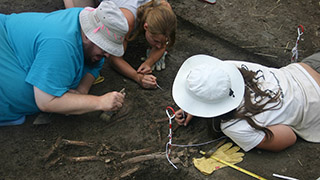
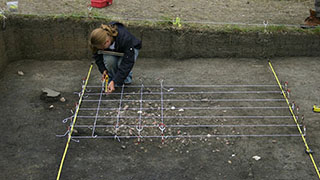
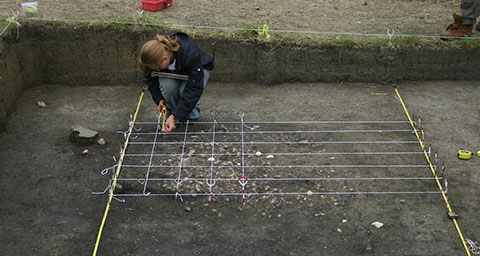
Excavation procedures, mapping using laser levels and total stations (laser theodolites
supported by onboard computers), feature excavation, field photography, and materials
recording. Any human skeletal remains that are excavated will be subjected to preliminary
forensic analysis at the research facility, pending remaining excavation time and
the condition of the remains.
Excavations by the Office of Archaeological Research in Prostejov have thus far focused
on determining the size and basic structure of the site. It is important to note
that no one can predict exactly what will be encountered, so some variation in precisely
what occurs is likely.
Photo Gallery
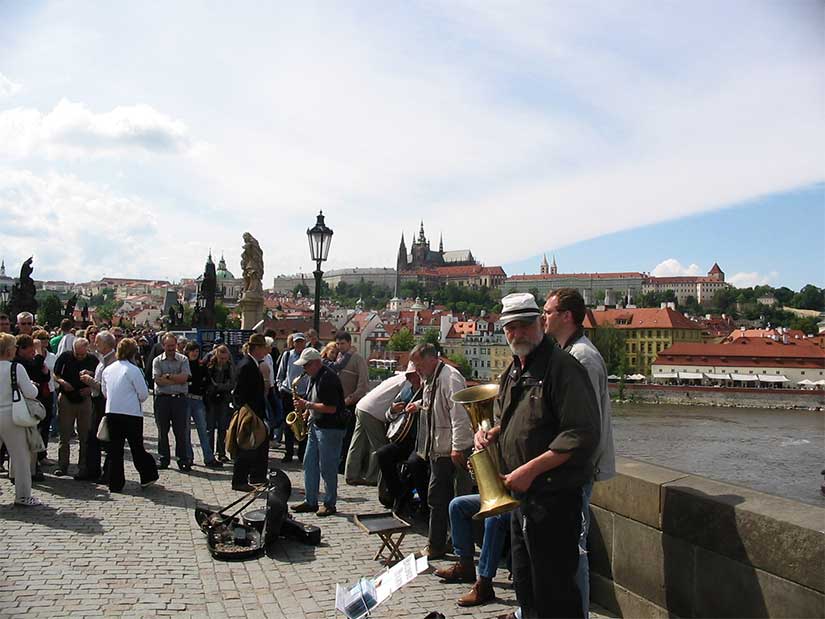
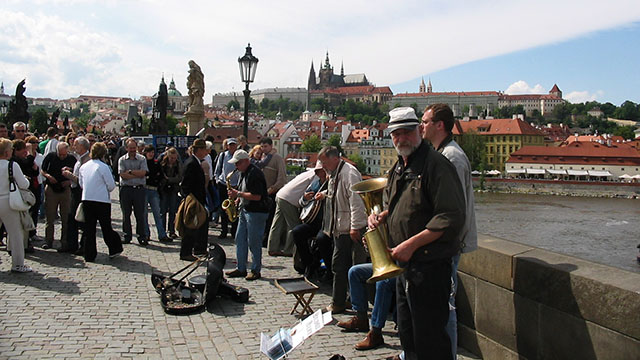
Explore the Czech Republic
For more information and enrollment material contact
Dr. Michael Dietz Assistant Director, Czech American Archaeological Field School College of DuPage 425 Fawell Blvd. Glen Ellyn, IL 60137-6599 (630) 942-2553