If you’re passionate about law, justice, and helping others, the Legal Studies program at College of DuPage is your pathway to a dynamic and rewarding career.
Our program is designed to prepare students through Legal Studies courses to become highly competent, ethical, and effective paralegals who make a real impact in the legal field. As an American Bar Association-approved program, you can be sure you will get the quality education necessary for a successful career in the legal field.

Understanding the Role of a Paralegal
Paralegals work under the supervision of attorneys to deliver high-quality, cost-effective legal services across both the public and private sectors. Their responsibilities often include interviewing clients and witnesses, conducting investigations and legal research, drafting legal documents and correspondence, assisting with trial preparation, and preparing documents for real estate, probate, and corporate matters.
While paralegals cannot offer legal services directly to the public—except where permitted by law—they have become essential members of the legal team, playing a vital role in the efficient delivery of legal services.
Determine Your Path
Curriculum offers a strong foundation in key legal areas including Introduction to Law, Legal Research and Writing, Civil Litigation, Legal Ethics, Law Office Technology, and Personal Injury Law, with hands-on experience gained through a required internship. Students can tailor their studies with electives such as Bankruptcy, Contracts, Criminal Law, Estate Planning, Family Law, Immigration, Intellectual Property, and more.
Throughout the program, students develop practical skills in client and witness interviewing, investigations, legal document drafting, trial preparation and legal research.
Whether you are preparing for a career as a paralegal, planning to transfer to a four-year college or university or updating your skills, College of DuPage has the right program for you. We offer:
- Hands-on training to prepare you for real legal work
- Courses taught by experienced attorneys
- A strong foundation in both practical and theoretical legal knowledge
- A required practicum for real-world experience in a legal setting
- Flexible course delivery, including in-person, online and virtual live (VCM) options to meet ABA requirements.
- A wide variety of legal studies elective course offerings
- An Advisory Council made up of industry professionals that ensures the Legal Studies program stays current with the ever-evolving business of law.
- Articulated transfer agreements that provide for seamless transfers to prestigious universities.
- An award-winning Paralegal Club providing students opportunities to develop long-lasting friendships and a professional network.
Legal Studies, A.A.S.
The Legal Studies program provides a foundational, practical, and empowering understanding of the American legal system and prepares its graduates to perform substantive legal work under the supervision of an attorney. Students that complete this program are trained and qualified to seek employment as paralegals. Although paralegals cannot provide legal services directly to the public, except as permitted by law, they are deeply involved in the daily, substantive work of attorneys. Paralegals assist attorneys in a variety of legal environments by performing tasks, including but not limited to, drafting legal documents, performing legal research, interviewing witnesses and clients, assisting in trial preparation, and creating, organizing, and maintaining legal files. Students must be accepted into the program after completing the initial prerequisite courses.
Paralegal, Certificate
The Legal Studies program provides a foundational, practical, and empowering understanding of the American legal system and prepares its graduates to perform substantive legal work under the supervision of an attorney. Students that complete this program are trained and qualified to seek employment as paralegals. Although paralegals cannot provide legal services directly to the public, except as permitted by law, they are deeply involved in the daily, substantive work of attorneys. Paralegals assist attorneys in a variety of legal environments by performing tasks, including but not limited to, drafting legal documents, performing legal research, interviewing witnesses and clients, assisting in trial preparation, and creating, organizing, and maintaining legal files. Students must be accepted into the program after completing the initial prerequisite courses.
Students who are planning to enroll in the Legal Studies program at College of DuPage may be qualified to receive a financial award through a variety of supported scholarships.
- The Honorable William J. Bauer Scholarship for Paralegal and Criminal Justice Studies
- Sally N. Fairbank Paralegal Studies Textbook Scholarship
- Capper and Marilou Grant Paralegal Scholarship
- Linda and Robert Jenkins Endowed Paralegal Studies Scholarship
- Lori & Eric Swanson Paralegal Scholarship
- The Linda Jenkins Lambda Epsilon Chi (LEX) Paralegal Honor Society Award
Visit cod.edu/scholarships for requirements and a full list of available scholarships
Get Started Today
The first step to getting started in Legal Studies is to apply for admission.
Information sessions are also held periodically throughout the year to introduce prospective students to the program.
Academic and Career Pathways give you a roadmap to achieving your career goals. Follow a pathway based on your degree or certificate that outlines which classes you need to take and when so you graduate on time or move on to the next phase in your career.
The Legal Studies program is designed to provide students with the knowledge, skills, values and attitudes they need to become highly competent, ethical paralegals working in the delivery of legal services, and who will make a positive contribution to the advancement of the paralegal profession. The program’s learning objectives, listed below, indicate the knowledge, skills, and abilities that students will have acquired upon completion of the program.
Legal Studies graduates will:
- Explain the role of the paralegal in the effective delivery of legal services in various settings in which paralegals work, including large and small law firms, corporations and businesses, governmental agencies, and legal aid offices.
- Describe the ethical responsibilities of paralegals, the rules of professional conduct governing lawyers, and the application of these rules to paralegals.
- Apply practical methods to complete assigned legal tasks.
- Demonstrate competency in a legal setting by completing a paralegal practicum under the supervision of a practicing attorney and a faculty member.
- Analyze, implement, and complete a legal research project using both print and electronic resources.
- Produce legal documents that meet professional standards, reflect accurate legal research, and are in correct format.
- Demonstrate proficiency in use of technology applications common in the workplace.
College of DuPage partners with several four-year institutions to help students seamlessly complete a bachelor’s degree in legal studies. Students can connect with Transfer Services for personalized guidance on transfer opportunities.
For more information about Transfer Pathways, visit the College of DuPage Catalog. The pathway outlines a typical two-year course plan for completing an AA or AS degree before transferring to a four-year program. Course requirements vary by institution, so consult your faculty or academic advisor for specific guidance.
Articulation Agreements
College of DuPage maintains transfer agreements with many colleges and universities to ensure a smooth transition toward a bachelor’s degree. These agreements often include a defined course sequence. Students should regularly meet with a faculty member or Advising Services to stay on track.- Lewis University, AAS Paralegal Studies to BA Paralegal Studies
- Roosevelt University, AAS Paralegal Studies to BA in Paralegal Studies
Transfer Guides
Beyond articulation agreements and guaranteed admission programs, College of DuPage courses transfer to many other institutions. Transfer Guides help students select COD courses that meet prerequisites for specific majors and include details such as contact information, major requirements, general education requirements, and transfer policies.The Legal Studies Advisory Council is made up of industry professionals who help ensure the program stays current as the business of law is constantly changing.
Advisory Council Members
- Robert Anderson
Judge (Retired), DuPage County Circuit Court - Betsy Ballek
Attorney, Smith Amundsen LLC - Mary Barney
Career & Technical Education Department Chair, Willowbrook High School - Beverly Carlson
Program Support Specialist, College of DuPage - Devin Chambers
Counselor, College of DuPage - Julianne Di Benedetto
Certified Paralegal/Program Graduate, Shannon Law Group/Thinking Outside the Box Law, Inc. - Elizabeth Donovan
Advisor, College of DuPage - Sally Fairbank
Retired COD Faculty & Paralegal Studies Program Chair - Damon Fisch
Attorney, Damon Fisch Attorney at Law - Capper Grant
Attorney/Adjunct Faculty, College of DuPage - Nate Hill
Senior Paralegal, DuPage County Government Center - Diana Himes, ARM, CLMP
Paralegal Manager, General Liability Manager, Kone Inc. - Ann Marie Janatka
Paralegal Manager, Taxman, Pollock, Murray & Bekkerman, LLC - Janice Kaushal
Dean of Business & Applied Technology, College of DuPage - Christine Kickels
Reference Librarian, College of DuPage - Annie Knight
Program Chair & Assistant Professor, Legal Studies Program, College of DuPage - Susan Matos
Student Representative - Terry Mohring
Intake Specialist/Program Graduate, Prairie State Legal Services - Mallory Mojarro
Paralegal/Program Graduate, Morreale Brady Malone & Cwik, P.C. - Jean Morris
Paralegal, Cerami Law Firm LLC - Bradley Pollock
Attorney, Taxman, Pollock, Murray & Bekkerman, LLC - Robert Rupp
Executive Director, DuPage County Bar Association (DCBA) - Erica Soto Gerena
Associate Attorney, A. Traub & Associates - Lori Swanson, CP
Certified Paralegal/Licensed Realtor/Philanthropist, Keller Williams Infinity - Paul Watkiss
Attorney/Adjunct Faculty, College of DuPage
The required Paralegal Practicum, PLGL 2600 is an excellent way to obtain job experience before graduation. Students perform 120 hours of paralegal work during the semester (approximately eight hours per week during the fall and spring semesters), working in a law office under the supervision of an attorney. In addition, students attend seminars on campus that assist with creating a professional portfolio and a personal website for posting an electronic portfolio.
Students are eligible to enroll in the practicum after they have been admitted into the program and taken PLGL-1200, Civil Litigation, PLGL-1250, Legal Ethics and Law Office Organization, and PLGL 1500, Introduction to Legal Research and Writing, and have earned a grade of "C" or better. Instructor consent to enroll in the practicum is also required.
At this point, students should begin the process of locating an internship site. The instructor will send them a list of suggested site mentors to consider when searching for an internship. In addition, students can pursue other avenues to obtain an internship site.
For additional resources, please visit the Legal Studies Organization on Blackboard.
The Career Ready Podcast
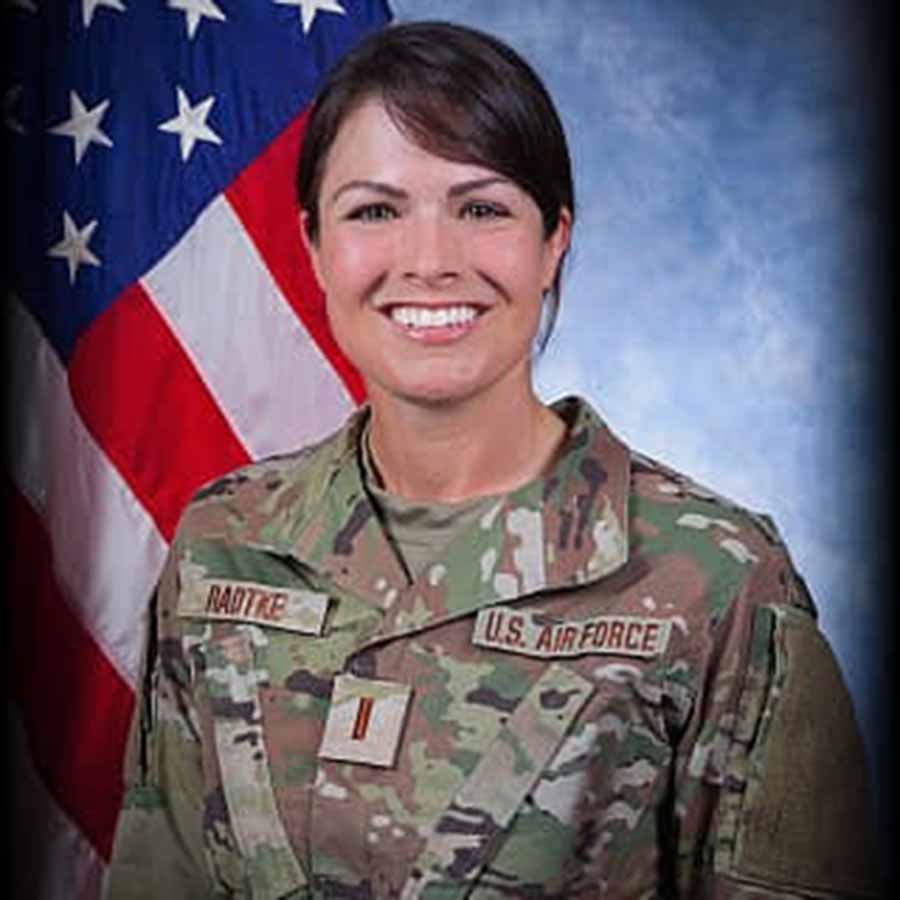
Hear Annie Knight, Legal Studies Assistant Professor and Program Chair discuss paralegal careers along with skills needed to succeed in the profession.
Career Information
Explore careers based on your interest, location and salary range or view top occupations by income.
Frequently Asked Questions
Find answers to your frequently asked questions regarding the Paralegal Studies program.
A paralegal is a skilled legal professional who works under the supervision of an attorney to support the delivery of legal services.
Although responsibilities differ depending on the practice setting, paralegals frequently:
- Interview clients and witnesses
- Conduct investigations and legal research
- Draft and organize legal documents
- Assist with trial preparation
- Manage transactions in real estate, probate, and corporate law
Paralegals often find the career highly rewarding. The role offers meaningful responsibility, professional independence, and diverse daily tasks. It combines intellectually challenging work with opportunities for client interaction and the satisfaction of helping people resolve important legal matters—while being an integral member of the legal team.
Paralegal job requirements can vary significantly. Some positions require a bachelor’s degree plus a post-degree paralegal certificate, while others accept an associate degree. In some cases, law office experience or on-the-job training may substitute for formal education.
Employers often prefer candidates who combine paralegal coursework with practical experience. Strong communication and analytical skills, along with proficiency in legal technologies are frequently desired and may be required.
Job requirements vary widely. Some require a post-degree paralegal certificate in addition to a four-year college degree, others may accept a two-year associate degree, and still others may not require any formal paralegal education as long as the individual has law office experience or is willing to be trained on the job.
Frequently employers seek a paralegal with a combination of formal paralegal coursework at a college or university plus paralegal experience in a law office. Strong communication and analytical abilities, plus skill in using technology applications that are common in law offices (Microsoft Word, Excel, Outlook and legal research technology such as Westlaw) are usually preferred and may be required.
Program length depends on your educational background and chosen track. College of DuPage offers an Associate in Applied Science (AAS) in Legal Studies for students without a degree, and a post-degree Paralegal Certificate for those with a two- or four-year degree.
- Associate in Applied Science Degree: Full-time students taking 15–18 credits per semester can complete the AAS degree in two years.
- Post-Degree Certificate: Full-time students taking 15 credits per semester can earn the certificate in three semesters.
Courses are rigorous, so a lighter course load may be advisable. There is no set time limit for program completion.
The required Paralegal Practicum (LGLST 2600) offers valuable real-world experience in the Legal field.
Students complete 120 hours of paralegal work over the semester—approximately eight hours per week during the fall or spring—while working in a legal setting under the supervision of a licensed attorney.
In addition, on-campus seminars prepare students for the job market by covering resume writing, interview techniques, professional portfolio development, and the creation of a personal website to showcase their electronic portfolio.
The practicum concludes with a "Portfolio Expo," where local attorneys, practicing paralegals, and other legal professionals review student portfolios, conduct mock interviews, and provide feedback to help students succeed in launching their paralegal careers.
he cost of the program depends on whether you are pursuing the Associate in Applied Science degree or the certificate.
- Associate in Applied Science degree in Legal Studies: The degree requires either 67 or 70 credit hours, depending on which math course you select.
- Certificate: For students who already have a college degree, the certificate program is 36 credit hours.
Tuition is based on residency status. Learn more about the cost of attending COD by viewing our tuition and fees. Students interested in enrolling in the Legal Studies program can also apply for scholarships through COD.
Students who earned a college degree outside the U.S. need to obtain an IBT TOEFL score of 79 or higher, and include official test results with application. If this score was not obtained, student must meet with a faculty advisor in the Academic ESL department for required coursework.
Both program tracks require a student to be accepted into the program after taking prerequisite coursework and completing a program application.
Note: Students may continue to enroll in paralegal classes each semester prior to being admitted into the program, except that students seeking admission into LGLST 2600 must have been accepted into the program in order to enroll in these classes.
In either case, the student's first step would be to enroll in Introduction to Law and Paralegal Studies, LGLST 1100, which is a prerequisite for program admission. LGLST 1150 is also a program prerequisite, which can either be taken in the same semester as LGLST 1100, or in a separate semester. In addition, A.A.S. degree students must also take ENGLI 1101 as a program prerequisite.
After the prerequisites listed above have been taken, the student is ready to apply for official admission into the program by completing the applicable program application.
If you have any questions contact Annie Knight, Program Chair, at knighta@cod.edu.